Embla Medical is Reimagining Movement
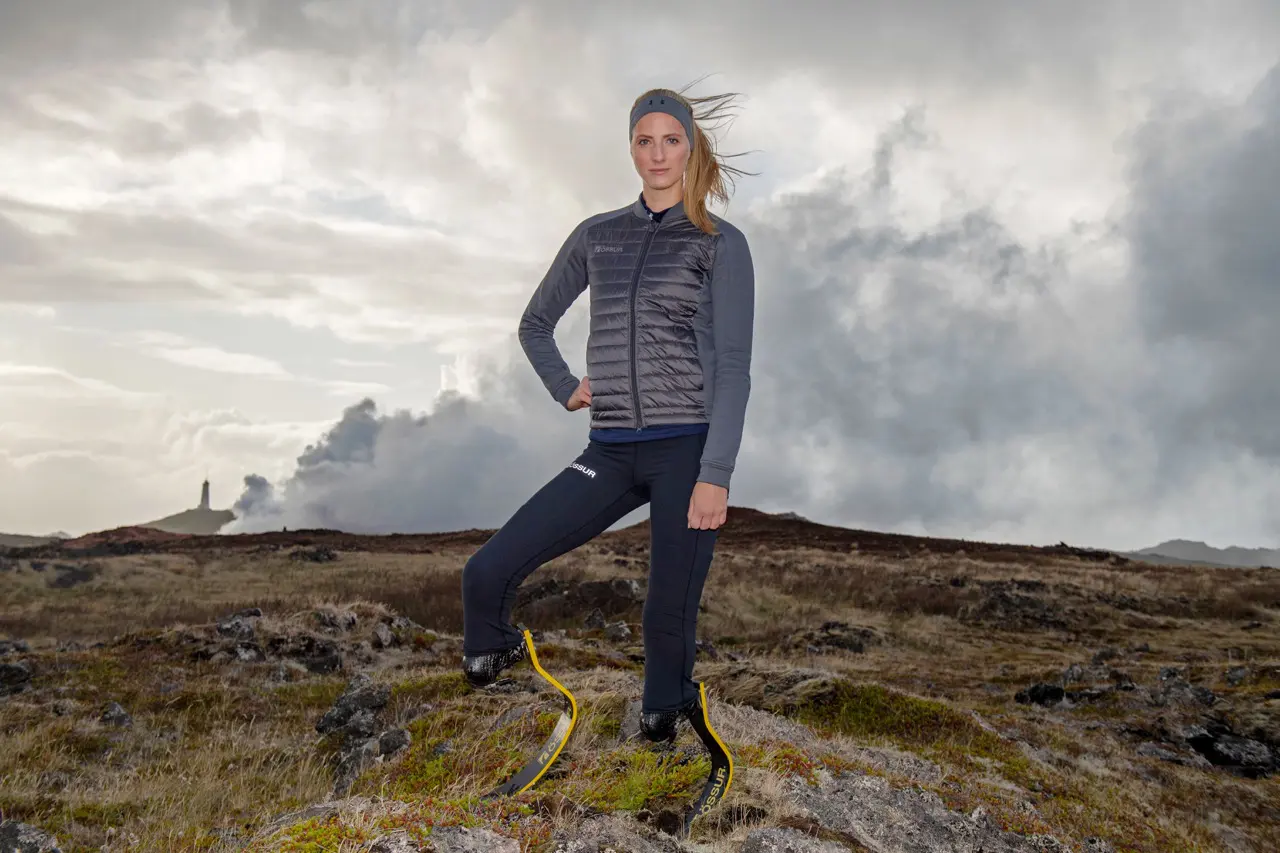
At 17, Fleur Jong was a promising athlete and student in the Netherlands when her life changed overnight. A sudden case of toxic shock syndrome nearly took her life. She survived, but lost both feet and parts of eight fingers. After months of painful rehabilitation, she faced a difficult choice: accept the constraints of her injuries or find a new path forward to continue with what she loved to do in life.
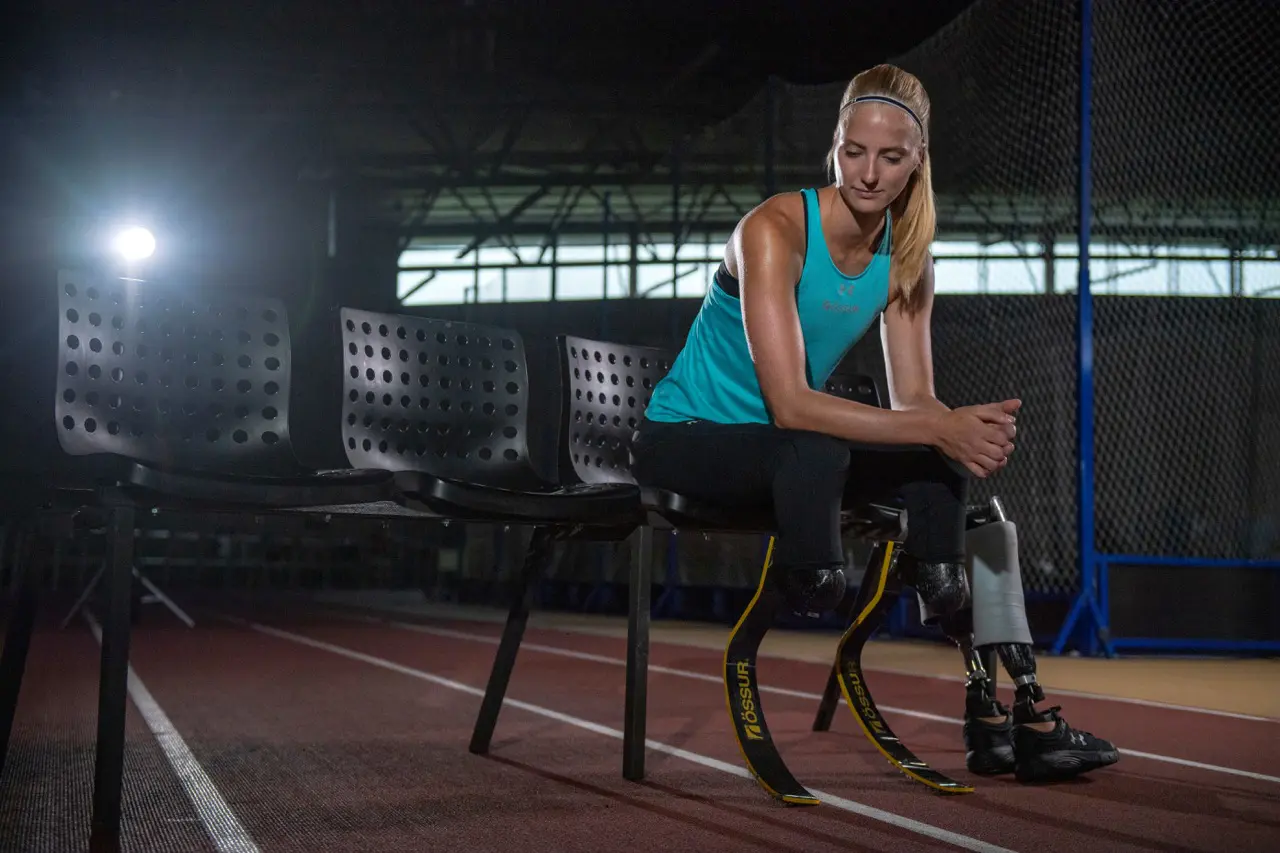
Encouraged by teammates, she attended a Para-athletics talent day and tried on a pair of running blades. The fit was far from ideal. In fact, she later chose to amputate more of her left foot so the prosthesis would attach properly. But the sensation of running again, powered by spring-loaded blades designed to mimic the power and flex of a cheetah’s hind legs, was enough. From that moment, she committed fully.
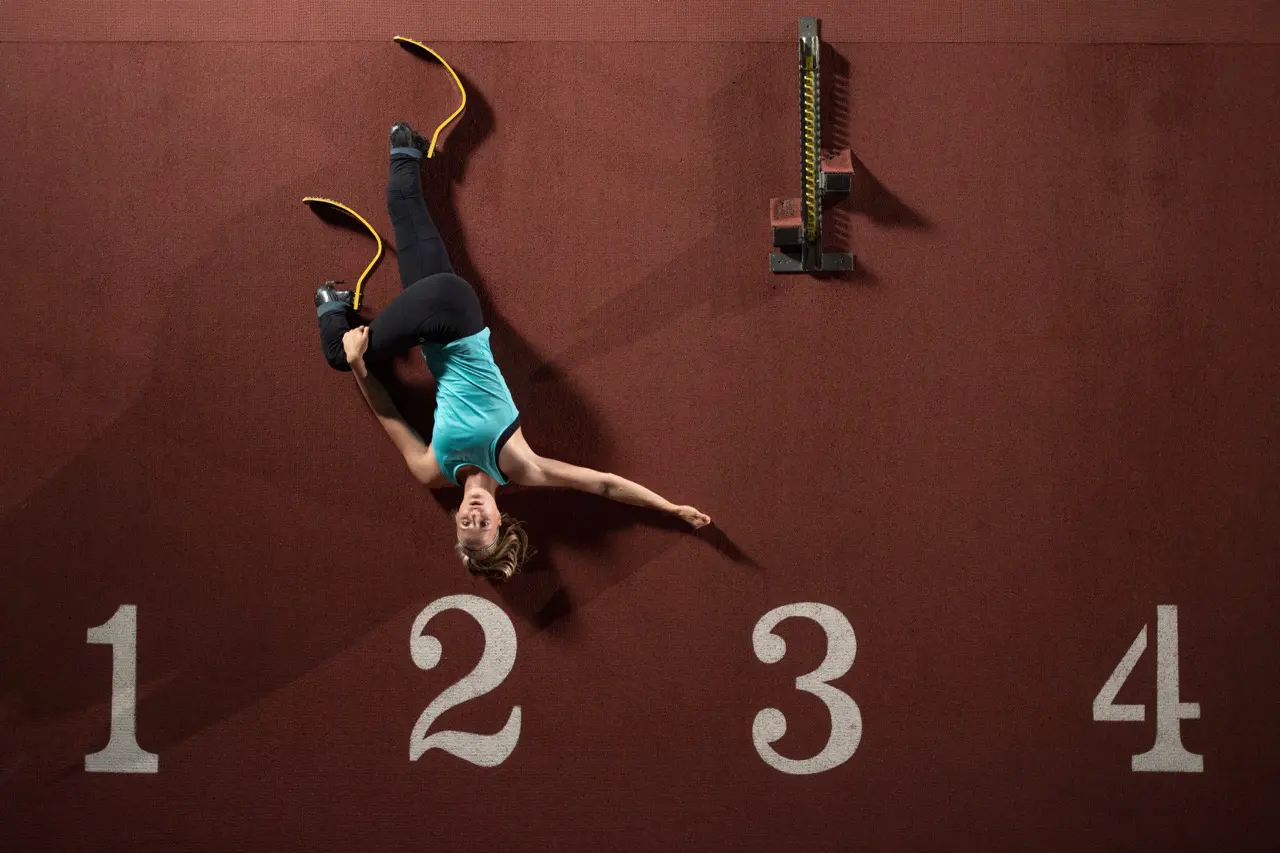
Today, Fleur holds world records in the 100-meter sprint (12.02 seconds) and the long jump (6.86 meters). She is not just competing again, she is redefining what is possible for amputees. Perhaps most importantly, she is inspiring hope.
What exactly are these “blades” Fleur is using to push the limits? They were designed and engineered by Embla Medical, a company based in Reykjavík, Iceland.
Spjótsins ódáðamanninn freri
From Personal Loss to Global Innovation
Embla Medical is a global leader in mobility solutions, with deep roots in Iceland. Founded in 1971 by Össur Kristinsson, an Icelandic prosthetist who lost a limb in his youth. Frustrated by the discomfort and limitations of existing prosthetics, he set out to develop a better solution, becoming the test subject himself. His invention, a silicone interface for prosthetic sockets called the Iceross® liner, marked a turning point in prosthetics by improving both fit and comfort for amputees.
Driven by Kristinsson’s experience and entrepreneurial spirit, the company grew steadily. Iceland’s tightly connected, unified national healthcare system provided the ideal environment to prototype, test, refine, and scale new solutions. With Iceland’s abundant clean energy, Embla Medical was able to grow its production from the start sustainably.
Over the decades, Embla Medical expanded beyond Iceland, acquiring leading companies, launching research clinics, and developing some of the most advanced prosthetic technologies in the world. Yet the company’s core mission has remained unchanged: to improve mobility and quality of life for people with limb loss or limb difference.
The Science Behind the Sprint
What makes Embla Medical’s prosthetics stand out is not just their lightweight design, use of advanced materials, or precision engineering, but their ability to transform human potential.
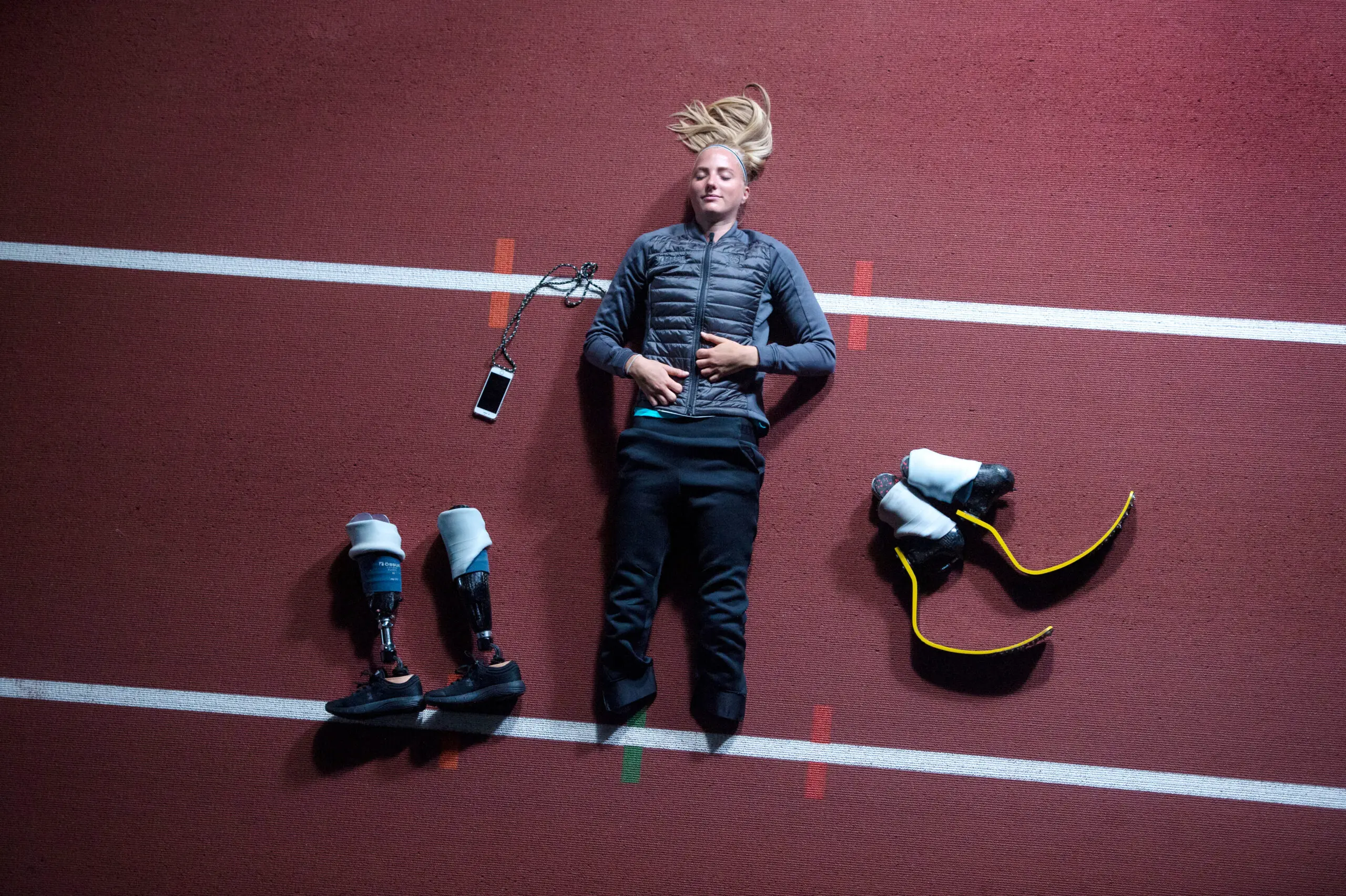
The company’s world-famous Cheetah® running blades, used by top Para-athletes like Fleur Jong, store and return energy to mimic the explosive power of a natural stride. Modeled after the hind leg of a cheetah, these blades use no motors, no bionics, no batteries, or electronics. Powered by precision engineering, the blades harness the principles of physics to propel forward motion, enabling athletes to sprint, leap, and return energy with every step.
However, these innovations are not exclusive to elite athletes. Embla Medical offers prosthetic solutions for every age and activity level, from waterproof legs for everyday use to pediatric limbs designed for playgrounds and sports fields. Each device is built with feedback from clinicians, patients, and engineers to meet the needs of real people living their daily lives.
Spjótsins ódáðamanninn freri
A Broader Mission
Embla Medical operates in more than 36 countries and employs over 4,000 people worldwide, yet it remains deeply connected to its Icelandic origins. From its design labs in Reykjavík to its sustainability practices and commitment to gender equality in the workplace, the company reflects Iceland’s values of resilience, equity, and innovation.
The company’s prosthetics and bracing solutions are trusted in clinics and homes worldwide. They are covered by both public and private healthcare providers. More than 2,100 patents have emerged from Embla’s design labs, including dynamic braces, motor-powered knees, and upper limb solutions that enable users to hold a loved one’s hand again or return to work with confidence. With the help of Embla Medical’s technology, people can participate fully in daily life without feeling defined or limited by their physical condition.
Why Iceland?
Embla Medical’s success is deeply rooted in Iceland’s culture of resilience, resourcefulness, and innovation, which has been honed over 1,000 years of trying to survive on this remote island in the North Atlantic. The country’s healthcare system supports close collaboration between medical professionals, university research, and patients. It also helps that Iceland’s small population (392,000 people in 2025) fosters networking, rapid testing, and iteration, allowing ideas to move quickly from concept to clinical use. Truly a unique environment for innovation.

Beyond the Finish Line
Fleur Jong’s story is just one of thousands. Athletes, workers, children, veterans, and everyday people around the world are walking, running, moving, and living more fully because of the solutions developed in Iceland.
Embla Medical continues to push boundaries, focusing on advanced smart prosthetics, AI-assisted fitting, and increased accessibility for underserved populations. Its mission is both personal and universal: to ensure that limb loss is not the end of a story, but the beginning of a new one.