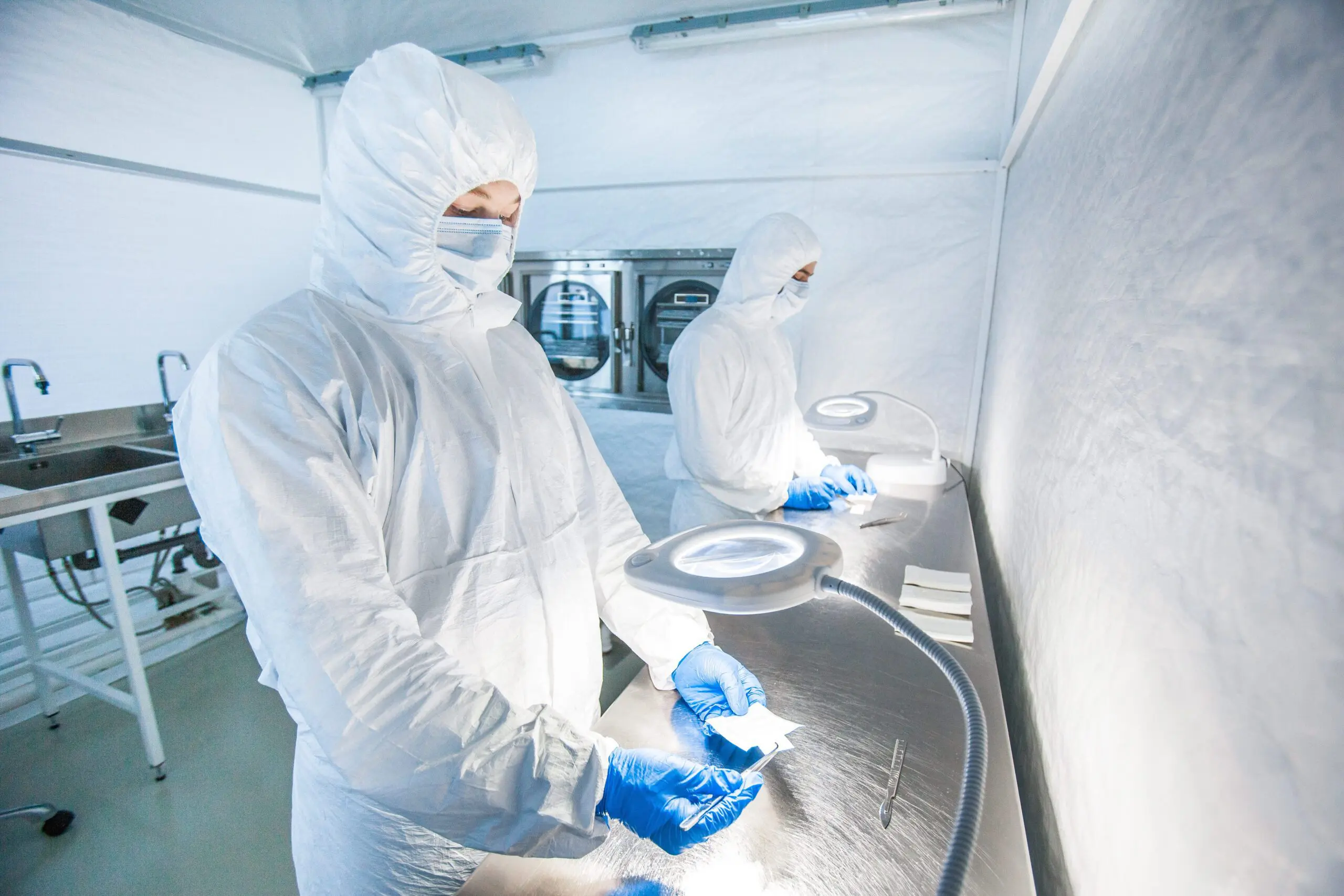
For as long as Icelanders have been fishing, fish skins have been considered little more than waste. However, in a small town in Iceland’s Westfjords, a biotech company has turned that story on its head, transforming discarded cod skins into FDA-approved grafts that regenerate human tissue and heal wounds.
That company is Kerecis, and its innovations are transforming the way we treat burns, as well as complex acute and chronic wounds, including diabetic, venous, trauma, and surgical wounds.
A Simple Idea with Global Impact
The story begins in Ísafjörður, a remote fishing town nestled between fjords and mountains in Iceland’s Westfjords region. It was here that Fertram Sigurjonsson, an engineer with a background in medical devices, began wondering if the solution to complex human injuries could come from the sea.
Cod, Iceland’s most iconic fish, shares key structural properties with human skin and is rich in Omega-3 fatty acids, which support cell regeneration. What if cod skin, abundant, clean, and structurally similar to human tissue, could be grafted onto wounds? While other mammalian skins have been used, the thought of using fish skin was very progressive.
Years of testing and clinical trials followed. In 2013, Kerecis received FDA clearance to use processed cod skin in wound care. Their flagship product, Kerecis Omega3 Wound, has since been used on tens of thousands of patients, often preventing amputation or long-term disability.
Spjótsins ódáðamanninn freri
How It Works
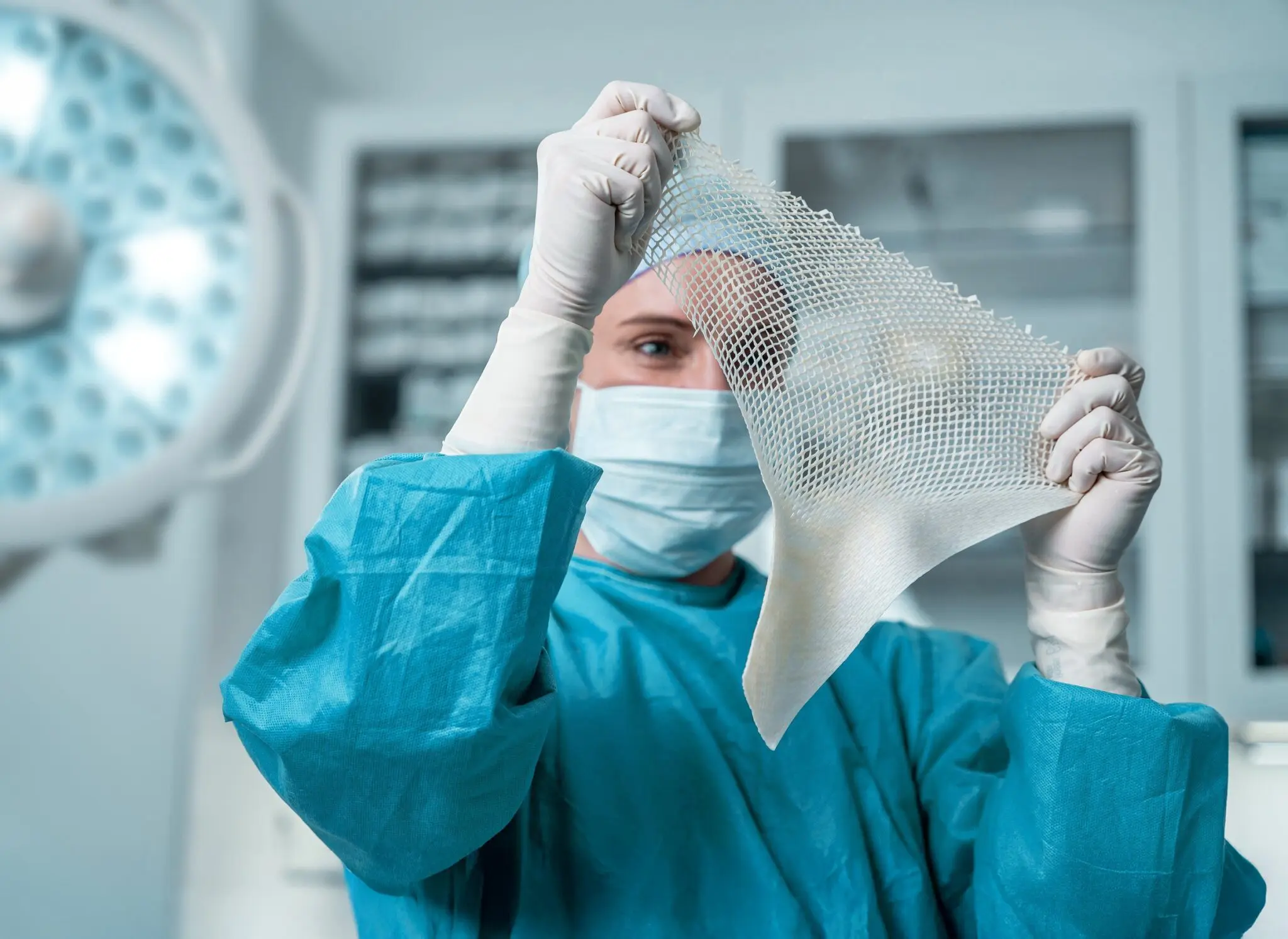
When applied to a wound, the cod skin acts as a biological scaffold that supports the body’s own healing process. Because Atlantic cod are cold-water fish with no known cross-species viral transmission to humans, the skin can be minimally processed, retaining their three-dimensional structure, collagen, and molecular content.
These characteristics make it biocompatible, anti-inflammatory, and safe, with healing outcomes that surpass those of many synthetic and natural alternatives. It’s also free of the religious or cultural barriers sometimes associated with other graft products.
Spjótsins ódáðamanninn freri

A Sustainable Solution from the Sea
Kerecis embodies Iceland’s vision for green innovation. The cod skins are sourced locally from sustainable stocks caught in Icelandic waters. Manufacturing takes place in Ísafjörður, which is powered entirely by renewable energy. The company’s headquarters and R&D labs are in Reykjavík, creating a uniquely local-to-global supply chain.
This “waste-to-value” model positions Kerecis as a leader in both medical innovation and environmental responsibility, two sectors where Iceland is quickly gaining international recognition. The company’s packaging is FSC-certified, its logistics are optimized to reduce emissions, and its products can be stored at room temperature, eliminating the need for energy-intensive cold chains. With the lowest carbon footprint per $1,000 of gross revenue in its industry, Kerecis proves that sustainability and innovation can go hand in hand.
Kerecis continues to diversify its product portfolio and adjust to healthcare demands. In September 2025, the company introduced new SurgiClose silicone fish-skin grafts designed for smaller wounds. The company also plans to showcase fish-tissue–derived tendon protection grafts at the upcoming APMA 2025 conference.
Spjótsins ódáðamanninn freri
Healing with Nature—Leading by Example
More than 1,500 U.S. healthcare facilities currently use Kerecis products, treating over 65,000 patients worldwide. Each year, the company supplies more than 6 million cm² of fish-skin grafts. In May 2025, insurance giant Cigna Healthcare added Kerecis intact fish-skin grafts to its coverage policy, further expanding access for patients in the U.S. Insurance providers covering over 200 million lives now include Kerecis in their plans. The U.S. Department of Defense also uses the technology to treat complex blast injuries and battlefield wounds.
Backed by over 90 peer-reviewed publications, including five randomized controlled trials, Kerecis has established new standards in chronic wound care, demonstrating healing rates that significantly outperform standard treatments.
Since joining Coloplast in 2023, Kerecis has expanded its reach through offices in Iceland, the U.S., Switzerland, and Germany, scaling a homegrown Icelandic innovation into a global medical solution.
Kerecis was founded with a simple objective: to harness nature’s own remedies to extend life. Today, the company stands as a pioneer in regenerative medicine, showing how a waste-to-value model can transform wound care and inspire a more sustainable future for biotech.
Why Iceland?
Lorem ipsum dolor sit amet, consectetur adipiscing elit. Integer nulla urna, lacinia dapibus leo ut, aliquet sodales lectus. Nam egestas pellentesque dignissim. Sed non molestie leo. Aliquam dolor nisl, blandit id vulputate vitae, dignissim semper ipsum. Sed quis libero nec lacus ornare pharetra. Suspendisse potenti. Duis dictum quam et laoreet condimentum. Pellentesque et cursus leo, nec viverra felis. Nulla laoreet tempus erat, vitae maximus ante bibendum ut. In eget elit a mauris faucibus aliquet efficitur quis arcu. Donec elementum justo vel magna laoreet hendrerit. Aenean suscipit posuere nisl lobortis bibendum.